Heat-related illness and AC failure in Phoenix: warning signs to know
By Diego Ibrahim · Updated 2026-04-20
This is general safety information, not medical advice. If you or someone with you shows signs of heat stroke, call 911 immediately.
An AC failure is an inconvenience in most of the country. In Phoenix, it can turn into a medical emergency within a few hours. Knowing the warning signs and having a plan before the system dies matters as much as knowing who to call for the repair.
How fast a home heats up without AC
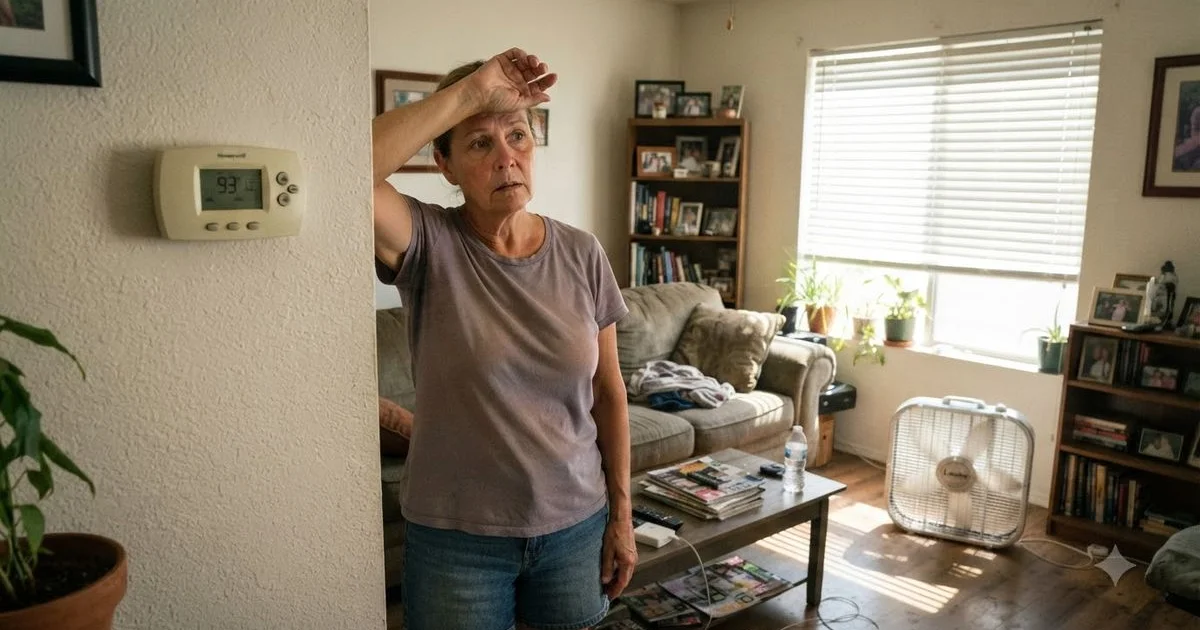
Once cooling stops on a 110-degree afternoon, indoor temperatures climb steadily, often reaching the 90s within a few hours and continuing to rise through the evening if the system stays down. Homes with west-facing windows, poor insulation, or a second story heat up faster than others. The danger is not just discomfort. Sustained indoor heat above the mid-80s, combined with humidity from cooking, showers, or simply a full household, pushes the body’s cooling systems past what they can manage on their own.
Recognizing heat-related illness
Heat exhaustion and heat stroke sit on the same spectrum, but the second is a true emergency.
Heat exhaustion signs include heavy sweating, cool or clammy skin, muscle cramps, dizziness, headache, nausea, and fatigue. Move to a cooler space, sip water, and rest. Symptoms usually improve within an hour with these steps.
Heat stroke signs include a body temperature above 103°F, hot and dry (or damp) skin, a rapid and strong pulse, confusion, slurred speech, or loss of consciousness. This requires immediate emergency medical care. Do not wait to see if it passes.
| Stage | Common signs | What to do |
|---|---|---|
| Heat exhaustion | Heavy sweating, cramps, dizziness, nausea | Move to cool space, hydrate, rest, monitor |
| Heat stroke | Confusion, hot dry skin, rapid pulse, fainting | Call 911, cool the person immediately, do not wait |
Who faces the highest risk
Infants and young children overheat faster than adults because their bodies regulate temperature less efficiently. Older adults, especially those with heart, lung, or kidney conditions, face higher risk, as do pregnant women and anyone on medications like diuretics or certain blood pressure drugs that interfere with the body’s ability to cool itself. Pets are vulnerable too, particularly those left in a hot home during the day while people are at work. A dog or cat cannot tell you the house feels wrong, so check on them the same way you would check on a person if the AC has been down for more than an hour or two.
What to do while you wait for a repair
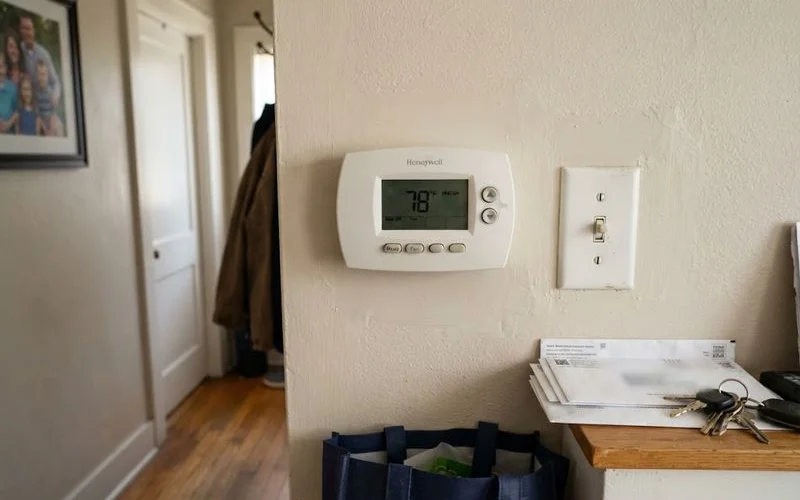
If your AC fails and a same-day repair is not available, do not wait it out in a hot house if vulnerable household members are present. Close blinds and curtains to block direct sun, run box fans, and keep everyone hydrated with water rather than caffeinated or alcoholic drinks. If indoor temperatures climb past the mid-80s and are not coming down, move vulnerable family members, especially infants, older adults, and anyone with a chronic condition, to a cooler location: a relative’s home, a shopping center, a library, or a public cooling center. Never leave a child, older adult, or pet alone in a car, even briefly, as vehicle interiors heat far faster than a home.
After the emergency: preventing the next one
Most heat emergencies tied to AC failure trace back to a system that was already showing warning signs: weaker airflow, longer run times, or an aging unit past the 10 to 12 year mark common in Phoenix. A yearly tune-up that catches failing capacitors or refrigerant leaks before peak summer reduces the odds of a mid-heatwave breakdown in the first place, and knowing who you would call for an emergency repair before you need one saves precious time when it counts. If you are not sure where to start once the system actually fails, our first-hour checklist for an AC breakdown covers quick fixes to try and how to judge whether it is a genuine emergency.
Keep a couple of names and numbers on hand before summer starts, rather than searching in a panic once the house is already hot. Knowing where the nearest cooling center is and having a repair contact saved in your phone turns a stressful afternoon into a manageable one.
Our directory lists contractors by response speed and review history, and our ranking methodology explains how those scores are built, so the research happens before the crisis, not during it.
Common questions
- How fast can a home get dangerously hot after the AC stops working?
- In Phoenix summer, an uncooled home can climb into the 90s within a few hours and keep rising. The risk grows fastest for infants, older adults, and anyone with a chronic health condition.
- What are the early warning signs of heat-related illness?
- Heavy sweating, muscle cramps, dizziness, headache, and nausea point to heat exhaustion. Confusion, hot dry skin, a rapid pulse, or loss of consciousness are signs of heat stroke, a medical emergency that needs immediate care.
- Who is most at risk when a home loses cooling in Phoenix?
- Infants and young children, adults over 65, people with heart, lung, or kidney conditions, pregnant women, and anyone taking medications that affect the body's ability to regulate temperature face higher risk.
- Should I go to a cooling center if my AC breaks down?
- If your home cannot be brought to a safe temperature quickly and you have vulnerable household members, yes. The City of Phoenix and Maricopa County operate public cooling centers during the hottest months for exactly this situation.